
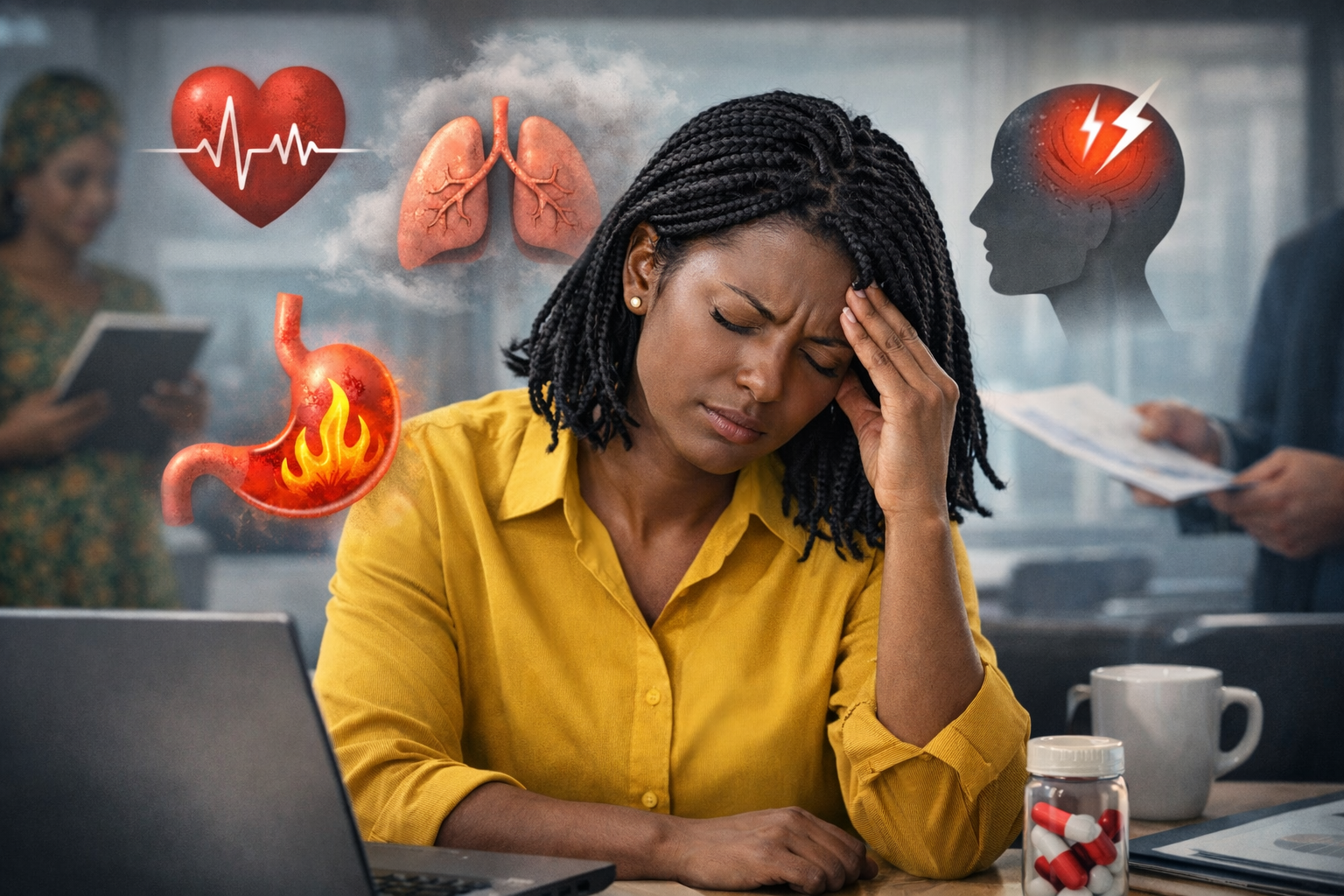
What is “Stress at Work”?
Stress at work is more than just a bad day; it is a state of mental and physical strain caused by workplace demands. This can be in terms of heavy workloads, long working hours, unfair treatment, and office conflicts. Over time, this can lead to burnout and a negative impact on health.
Main Causes of Work Stress for Women
Research has been conducted on many different types of jobs for women, including banking, teaching, IT, manufacturing, healthcare, office staff, etc., which has revealed that the following are the main causes of stress for working women:
- Too much work, too little time
- Difficulty in managing work and home life
- Strict evaluation, being criticized by superiors
- Being discriminated against, gender bias, fewer promotions, less pay, being ignored, or even being harassed
- Lack of support from superiors and colleagues
- Insecurity of a job; having to prove oneself
- Married women with children experience more stress, burnout, and emotional exhaustion than unmarried women, as they have more responsibility for their families than unmarried ones.
Stress hormones and the body’s systems
High levels of work stress are related to increased levels of cortisol (the stress hormone) and immune system changes.
Also, it was found that when women workers participated in a mental health promotion program, their stress levels reduced, along with their cortisol levels. An overview of the effects of long-term stress in women workers shows an increased risk of heart problems, immune disorders, reproductive disorders, and mental disorders.
Effects on work and daily life
Work stress affects not only work but also life outside work. Work stress can cause:
- Reduced productivity and job satisfaction
- Increased errors and conflicts at work
- Increased absenteeism
- Reduced energy for life outside work
- Reduced quality of life, especially for married women
- Emotional and physical exhaustion and reduced quality of work life for women under work stress.
Why are women more likely to face the impact of work-related stress?
Women are likely to face the impact of work-related stress to a greater degree than men, and the reasons for this include:
- More time spent on household and family responsibilities after working hours
- More gender bias, fewer opportunities for growth, and harassment in the workplace
- Feeling like they have to be ‘perfect’ at both the workplace and at home.
What can help to reduce work stress for women?
- Social Support: Social support from co-workers, supervisors, family, and friends reduces the negative impact of job stress. Women with more social support have better mental health, even if they have stressful jobs.
- Training programs that increase social support at work help coping and reduce stress reactions.
- Workplace programs and policies: Workplace programs and policies for mental health, coping skills, and relaxation techniques. They can help lower job stress and improve performance at work.
- Flexible work schedules, telecommuting, and childcare support help manage work and family responsibilities.
- Anti-harassment policies, fair promotion policies, and gender-sensitive HR policies help lower stress from discrimination and unfair treatment.
- Personal coping: Women use many coping techniques, such as talking to family members, spending time with children, exercising, and using relaxation techniques. Some studies show that women often turn more to family time than formal techniques such as yoga and meditation, although both can be effective.
To honour the “Give to Gain” theme for this year’s International Women’s Day (IWD), we must recognize that when we invest in support for women’s well-being, we gain a more vibrant, productive society. Workplace leaders must dismantle bias and provide platforms for women’s voices, while husbands of married women and loved ones should offer an active partnership at home that makes true work-life balance possible.
To the women reading, please remember to choose yourself first; your health is not a sacrifice required for your success. Everyone has a role to play in ensuring women receive the fair treatment and mental health balance they deserve. By giving women the structural and emotional support they need, we all gain a future where they can lead without burning out.
#HappyIWD
#GivetoGain

